
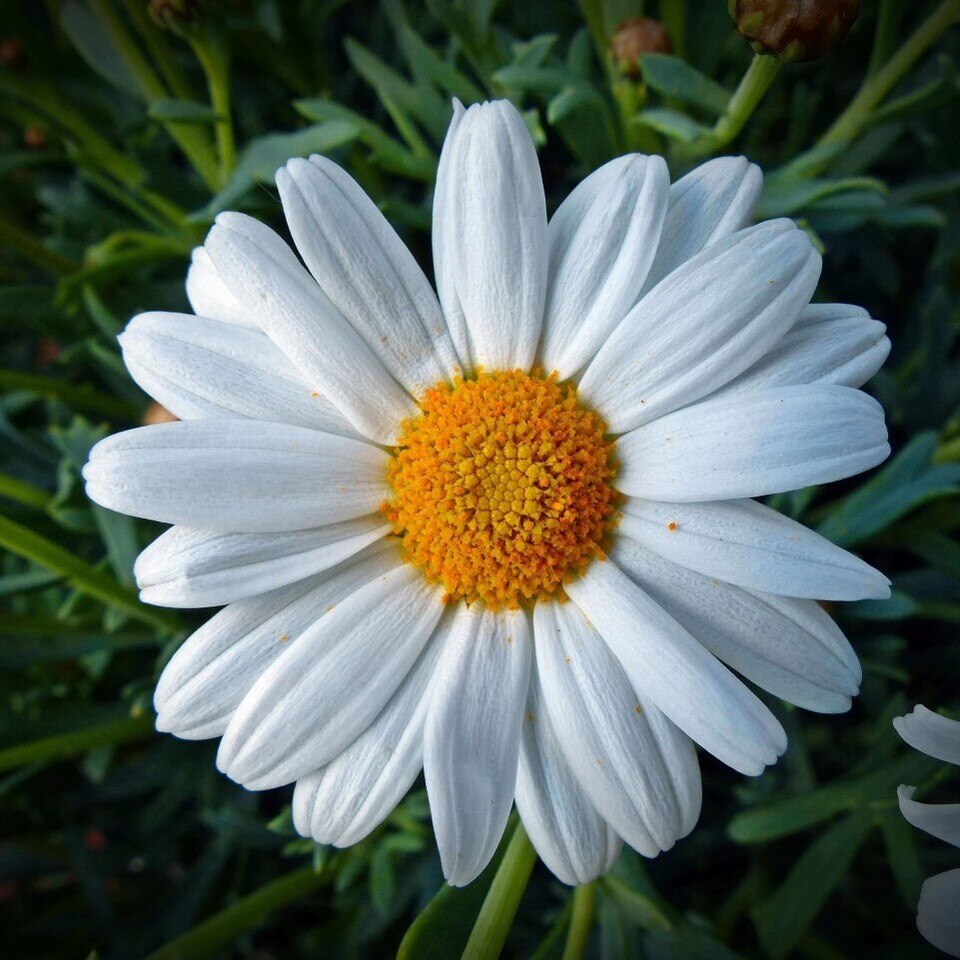

Did you know that chamomile can replace regular tea, partially shampoo, and be used as an antiseptic during cleansing? Especially when it was grown without chemical fertilizers, harvested by your hands and dried under natural conditions.
application.
Chamomile has three main medicinal properties — anti-inflammatory, antispasmodic and carminative.Chamomile is one of the best treatments for acute and chronic inflammation of the gastric mucosa (ulcers and gastritis of the stomach).It not only relieves the symptoms, but also has a healing effect. You should also know that the therapeutic effect of chamomile is visible only with prolonged, consistent use for 2-3 months, or even longer. The anti-inflammatory property of chamomile is also used in many other diseases, such as colitis, inflammation caused by chronic constipation with colic. Chamomile is also recommended for increased excitability, neuralgic pain, toothache, painful menstruation, uterine bleeding, diarrhea, etc. Infusions and decoctions are used for treatment. Application of chamomile medicinal chamomile inflorescences are used both internally and externally; in the form of compresses and baths, as well as for rinsing the mouth and throat in the form of lotions — for inflammatory skin diseases, hemorrhoids. Chamomile gargle or brewed as tea will help with sore and wheezing throat. With the flu, they inhale the hot vapors of chamomile infusion. With sore throats, the infusion is gargled. Chamomile tea at night strengthens sleep, and with the addition of sugar and cream, drunk at night, causes a sound and restful sleep. For migraines and seizures, powder from dried chamomile inflorescences helps — 2-3 grams 2-3 hours after meals. Baths are made from a three percent decoction — they help with gouty and rheumatic pains. It is used primarily for colds, as well as for gastritis, peptic ulcer of the stomach and duodenum, with pain and cramps in the stomach. If you regularly drink infusions of chamomile, you can cure the entire gastrointestinal tract. To do this, a tablespoon of dried flower baskets is infused in a glass of boiling water, filtered, and then a warm infusion is drunk 3-4 times a day for half a glass. Or 2 tbsp. l. pour a glass of boiling water, insist for 15 minutes, strain, drink 2-3 tbsp.l. 3-4 times a day. It is chamomile that will help with inflammation of the gallbladder, liver, and kidneys. Chamomile is also used for rinsing, rinsing, compresses for inflammatory diseases of the oral cavity, outer ear, cystitis, inside for gastritis, colitis.
Chamomile essential oil is a fairly strong bactericidal agent, which is why it is widely used to treat colds accompanied by coughing and inflammation of the upper respiratory tract. Externally, it is used to treat skin diseases, including allergic ones, conjunctivitis, and ulcers. Good results have been noted in the treatment of herpes, acne, psoriasis, and burns.
In the form of rinses and lotions, it is an excellent remedy for the treatment of periodontal disease. Medicinal chamomile in folk medicine — recipes for Decoction of chamomile flowers: 10 g (4 tablespoons) of raw materials are placed in an enameled dish, filled with 200 ml of hot boiled water, covered with a lid and heated in a boiling water bath for 30 minutes, cooled at room temperature for 10 minutes, filtered, the remaining raw materials are squeezed out. The volume of the resulting broth is brought to 200 ml with boiled water. The prepared broth is stored in a cool place for no more than 2 days. Take 1/3-1/2 cup 2-3 times a day after meals as an antispasmodic, anti-inflammatory, antiseptic, diaphoretic for intestinal cramps, flatulence, diarrhea. Externally — for rinses, lotions, enemas. Chamomile infusion (flowers): Brew 2 teaspoons of flowers in 1 cup of boiling water, leave in a thermos for 3 hours, then strain. Drink warm, like tea, ¼ cup 2-3 times a day for enteritis and colitis, gastritis, flatulence. Chamomile infusion (cold): 1-1.5 tablespoons of herbs per 1 cup of cold water, infuse for 8 hours, strain. Drink during the day in several doses (4-6). For external use, chamomile infusion is prepared as follows: 2-3 tablespoons of raw materials are poured into a glass of boiling water and infused for an hour in a well-sealed container, you can use a thermos, then strain.
To relieve pain and fatigue from the legs, such a chamomile collection is used: pour 3 tablespoons of chamomile flowers, flaxseed, horsetail grass, 1.5 liters of boiling water, insist for 30 minutes and strain. Make compresses on your feet.
As tea, chamomile is prescribed for digestive disorders, overwork and poor health. In case of inflammation of the oral cavity and pharynx (sore throat, stomatitis, tonsillitis, etc.), rinsing is done, in case of diseases of the female genital area, douching, and in case of gout and articular rheumatism, a bath with chamomile infusion is taken. Chamomile baths are used for children with scrofula, childhood eczema, gout, rheumatism: 50-200 g of chamomile herb per bucket of boiling water. The duration of the procedure is 15-20 minutes. A glass of chamomile tea (1 teaspoon of flowers per glass of boiling water) at night provides a restful sleep. Chamomile infusion: 2 tablespoons of flowers are poured 0.5 liters of boiling water in a thermos and pour a glass 3 times a day before meals for gastritis, colitis, neurasthenia, intestinal bloating, migraines, increased excitability, insomnia, toothache, liver inflammation, seizures. Chamomile infusion turns hair a light golden color. For blonde hair, 100-200 g of flowers are brewed in 0.5 liters of hot water, boiled for 5 minutes, then infused for 1 hour and rinsed with hair a few minutes after washing. Dry the hair in the air without wiping. To strengthen and grow hair, an infusion is prepared from chamomile flowers, used for rinsing hair after each wash: 20 g of dry raw materials are poured into 1 cup of boiling water, infused for 15-20 minutes and filtered.
The smell of the raw materials is strong, aromatic, the taste is spicy, bitter. The chemical composition and medicinal properties of Chamomile inflorescences contain essential oil (at least 0.3–0.8%), azulene, flavonoids, coumarins, sitosterol, choline, carotene, organic acids, polysaccharides, bitterness, vitamins and gums. The most valuable and active ingredients of chamomile are essential oil, especially hamazulene, glycosides, flavonoids and organic acids.Essential oil suppresses fermentation in the intestine, has a disinfecting, diaphoretic and analgesic effect.
HOW TO COLLECT AND STORE.
Chamomile harvesting should begin in mid-June, when it blooms most in forests and fields, as it is popularly noted that the type of chamomile that is harvested either at the edge of the forest or in the field is more useful. Chamomile should be harvested only in dry weather, in the early morning hours, when photosynthesis processes are activated in the cells of all plants and increased production of vitamins and other useful substances occurs.
In case of heavy morning dew, chamomile should not be harvested – it is better to choose a dry and warm morning for this. Since pharmacy chamomile flowers are used in practice, it is necessary to collect it at the beginning of flowering and during the period of full flowering – it is at this time that chamomile contains the greatest amount of medicinal substances. In the evening, the metabolic rate in plants decreases, while on hot days their collection is not recommended at all, as there is some wilting of the flowers and plants themselves – this rule is relevant for all types of medicinal herbs.
It is not recommended to collect chamomile near highways and railway lines, near landfills, oil storage facilities and pet farms – chamomile flowers perfectly absorb all toxic substances from the environment and groundwater. The most successful choice is a forest edge or a field far from roads and human habitation.
You should not pull out a chamomile by the roots, because next year nothing will be able to grow in this place. You can also, according to the old custom, apologize to the flower when you cut it and ask for your health, assuring that you will benefit the world with your life. The collected flowers can be placed in a dry glass and allowed to dry naturally in a ventilated room without direct sunlight. It is impossible to dry chamomile in the sun, since direct sunlight destroys all medicinal substances in the tissues of the cut plant – in the sun chamomile will simply cease to be curative and lose its color.
They are stored in cloth or paper bags in a dry room. The shelf life of raw materials is up to 2 years, but it is advisable to update household stocks annually.
It is only necessary to distinguish chamomile from ordinary chamomile. The medicinal leaves have thin cobwebs.
Contraindications to the use of chamomile When using large doses, central nervous system depression, headache and weakness are possible. Chamomile preparations should not be taken with anacid gastritis, a tendency to diarrhea, or individual intolerance.