
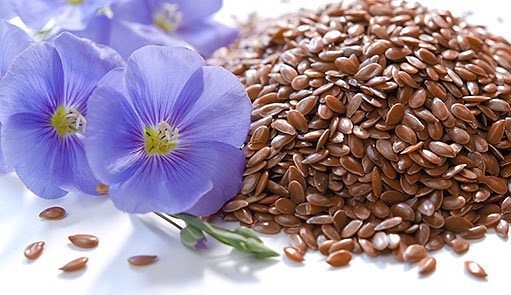

Flax seeds contain a protein of high biological activity, which in its composition is close to the ideal human body. Flax seeds are the richest vegetable source of essential higher polyunsaturated fatty acids: Omega – 3 (34.84%), Omega -6 (19.21%), Omega -9 (22.82%).
In terms of Omega-3 and Omega-6 content, flax seeds are superior to all other foods in the normal human diet. If Omega-6 is found in other foods, then Omega-3 is found in sufficient quantities only in fish oil and flax seeds! In terms of Omega – 3 content, flax seeds are 2 times higher than fish oil. This is especially important for women.
Flax seeds also contain vitamins: D, E, B2, B3, B4, B5, B6, B9, tocopherols, beta-carotene, minerals, micro- and macronutrients: potassium, calcium, magnesium, iron, manganese, copper, chromium, selenium, aluminum, nickel, iodine, boron, zinc.
Flax seeds are used as a delicious dietary supplement in the preparation of all kinds of cold dishes, fruit and vegetable salads, sauerkraut, vinaigrettes, sauces. Flaxseeds can be added to any ready-made porridges, mashed potatoes, and ready-made first and second courses. It is very tasty and healthy to mix with cottage cheese, herbs, sour cream and mayonnaise. Flax seeds can be consumed together with milk, yogurt and kefir.
Flax seeds are useful to add to flour products when baking as a substitute for eggs or butter. Adding flax seeds to these dishes does not change the technology of their preparation, but only improves the quality of these dishes and increases their nutritional value.
Before use, you can grind the seeds in a coffee grinder, which will turn them into a flour homogeneous mass.