
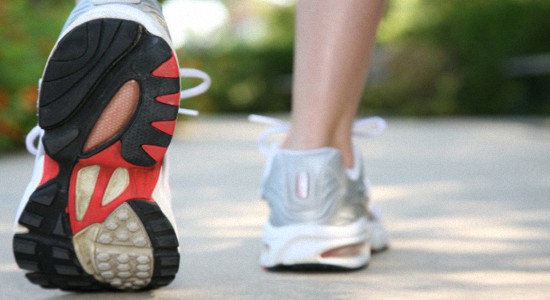

The main advantage of walking practice is to improve blood circulation throughout the body, which helps the heart work.
While walking, the muscles of the legs actively work: they rhythmically compress the blood vessels located along the muscles, and due to this, they forcefully send blood to the heart. This kind of muscle movement is similar to how cows are milked, which is why it is sometimes called the “milking process.”
Accordingly, blood actively circulates throughout the body, significantly reducing the load on the heart and blood vessels, as well as improving the functioning of all internal organs.
This prevents atherosclerosis caused by the deposition of cholesterol on the walls of blood vessels.
Effective effect on the brain: the head becomes clear during movement
- Increased oxygen supply to the brain
As you know, the brain requires a large amount of oxygen: it consumes it several dozen times more than muscles. Despite the fact that the brain’s weight is only 2% of the body’s weight, it consumes 20% of all oxygen entering the body.
With increased mental work, oxygen consumption increases and it happens that the blood does not have time to supply the brain with oxygen in sufficient quantities. Especially the lack of oxygen is felt during sedentary work, when blood circulation worsens. And with insufficient oxygen supply to the brain, concentration decreases, drowsiness and irritability occur.
At the same time, when walking, oxygen supply to the brain increases by 30-50% compared to rest. This way, movement not only eliminates oxygen deficiency, but also saturates the brain with it.
- Brain stimulation
Medical research shows that the amount of blood entering the brain increases if, for example, you make rotational movements with your fingers that activate the brain. It is believed that this method is effective in preventing senile dementia. However, the movements of the lower half of the body activate the brain even more.
Most of the nerves that control the balance of the body and its movements in the brain are connected to the muscles of the lower body, which are dominated by the so–called slow fibers (our muscles consist of two types of fibers – slow and fast fibers). During walking, these muscles contract and transmit strong impulses through the nerves to the brain, causing the brain to activate.
It is taught that the work of the brain when walking is activated by increasing the supply of oxygen and impulses from the lower body. Or, in simple terms, when walking, the head “clears up.”
And there are many geniuses known in history, whose insights came while hiking. This is how the great philosophers Socrates and Aristotle liked to have discussions with their students during their walks.
The philosopher Kant also liked to think while walking: for many years, he went out for a walk at the same time every day and was so punctual that the townspeople checked their watches against him.
So our predecessors, who achieved great success in life, experienced firsthand how walking clears their heads.
Psychological effect: release of beta-endorphin, which eliminates stress
In everyday life, we are constantly stressed in various situations. Mental and physical stress is the cause of many diseases. Stress negatively affects the functioning of the autonomic nervous system and weakens the body’s immune system.
Stress is regulated by beta-endorphin, which:
being something like a drug for the brain, it has an analgesic effect 10 times stronger than morphine,
- in addition, beta-endorphin improves mood, quickly eliminates stress, and restores mental balance.;
- strengthens the immune system;
- prevents tooth decay;
- inhibits the division of cancer cells.
At the same time, beta-endorphin release is reduced.:
- a person has headaches and joint pain;
- can’t get enough rest; he becomes irritable, he loses the desire to do anything.
The practice of walking activates the release of beta-endorphin.
If you walk for a long time, your mood rises sharply and you may feel as if you are floating on air. Also, if you run for a long time, you may experience a feeling of delight. These conditions are explained by an increase in beta-endorphin in the blood.
Thus, as a result of walking, stress is relieved and the mental state is stabilized. Walking also changes brain waves.
Proper walking practice is possible by following the following 8 points:
Clothes. Comfortable clothes that do not squeeze the body.
Footwear. Light, familiar shoes.
Body position. Back straight, chin tucked in.
MIND. Consciousness is focused on one thing.
Sight. Look three meters ahead.
Speed. Go a little faster than usual.
Water. If you are thirsty, do not tolerate, drink water in moderation.
Place. Choose a place with the cleanest air. Avoid roads where there are many cars, as well as bumpy roads.