

Hippocrates: “Food should be our medicine…”
From the great encyclopedia — linseed oil is a vegetable fatty oil obtained from flax seeds. It is used for the preparation of drying oil, oil lacquers, medical ointments, as well as for food.
Content:
Information about flax seed and linseed oil
Folk remedies: flax treatment, methods, recipes
How to use linseed oil for cosmetic purposes?
Information about flax seed and linseed oil
From the dictionary of traditional medicine, it is a natural, dietary product made according to ancient Russian recipes by cold pressing from high—quality flax seeds, which. Essential fatty acids — lipolytic and alpha-linolenic, are also called vitamin F. They are involved in membrane processes, in the accumulation of necessary substances within cells and the removal of harmful substances from cells. Linolenic acid – 50%-70%, and vitamin E – 50 mg /100g. It also contains a significant amount of protein, vitamins (A, B, E, P), and a large number of polysaccharides that have antiviral, antibacterial, and anticancer activity.
The oil is successfully used in dietary nutrition. Scientists from the USA, Canada and Germany have proven that the oil extracted from flax seeds holds the record for the content of omega-3 and omega-6 polyunsaturated fatty acids. — up to 80% (2 times higher than in fish oil!), which are not synthesized in our body (humans get them with food) and represent an ideal natural remedy for the prevention and treatment of atherosclerosis, increasing the elasticity of the vascular wall, coronary heart disease and many other diseases associated with impaired blood flow, thrombosis, as well as cancer of various localization, it facilitates the course of premenstrual syndrome and premenopause and during menopause. The unique property of binding carcinogens in the body and excreting them in the urine has also been proven.
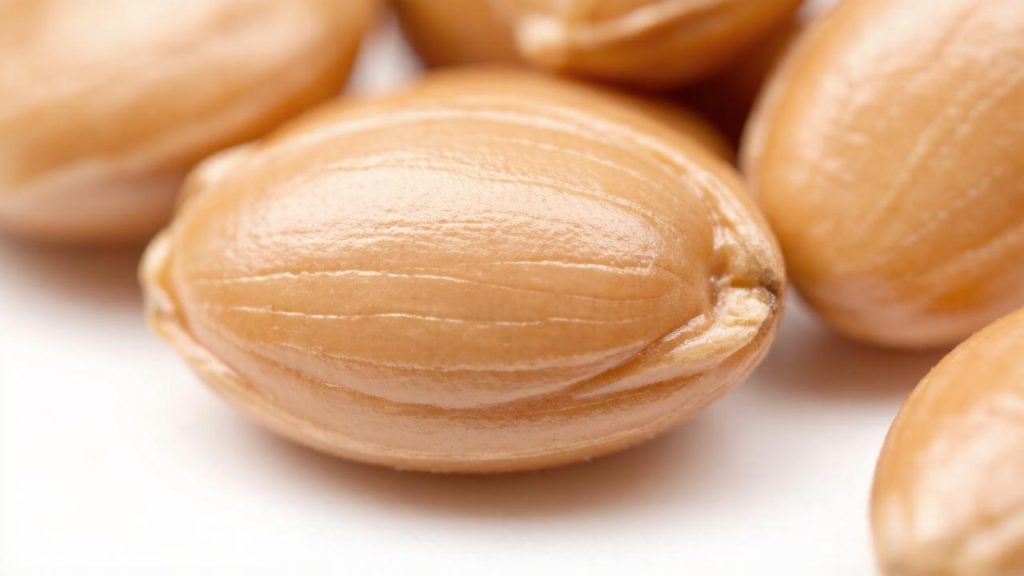
Flax seeds and the linseed oil obtained from them are used for medicinal purposes, and the oil precipitate and cake (macula) are the seeds crushed to the desired state, which is convenient to use in most recipes for treatment, as well as for salads or other dishes, as a seasoning.
The secret of the beneficial effect of linseed oil on the body is that, thanks to gentle technology, it preserves all the substances that are valuable for our health. Linseed oil must be obtained by cold pressing (cold distillation). This oil is a “living product”, so it must be protected from direct sunlight and stored in a cold place. In terms of its beneficial properties, it is significantly superior to other vegetable oils, which are also purified and refined from all “living things” for long-term storage.
Often, linseed oil is obtained after frying and grinding the seeds. This gives the “familiar” flavor and taste of market doughnuts, but it does not benefit from this oil. Nevertheless, people who have already become addicted to carcinogens “habitually” take it on the market. The oil is not heat-treated, so it is added to cold and ready-made hot dishes. In this case, flaxseed oil helps strengthen the work of the heart, supports the immune system and lowers cholesterol levels in the blood, improves skin condition and fights diseases of the gastrointestinal tract, fatty acids help to lose excess weight, normalizing metabolism at the cellular level. In infants, linseed oil promotes the normal formation of brain tissue, and has a beneficial effect on almost all vital processes of the human body.
Flax seeds contain up to 48% of fatty aromatic oil. From time immemorial, back in Kievan Rus, especially festive dishes were cooked with linseed oil, and it was added to sweet pastries for flavor.
Nutritionists usually recommend flaxseed oil as the most easily digestible and most useful, especially for people with impaired fat metabolism. Therefore, it is necessary to add salads, vinaigrettes to bring a gastronomic zest to traditional dishes; mix with proteins (kefir, yogurt) to emphasize the useful and taste qualities of the latter; season porridges, boiled potatoes, sauerkraut, first courses to give an exquisite subtle flavor; consume with honey to enhance the effectiveness of the effect.
The aroma of linseed oil is really special.: this is how the first spring grass smells. Therefore, this oil is ideal for dressing vegetable salads. It will give a pleasant yellowish-orange hue to rich pastries, pies, fried potatoes. By the way, the cake remaining after pressing the oil is a component of halva and an excellent feed for livestock and poultry.
Linseed oil is a native Russian product, undeservedly forgotten, the production of which has been replaced by cheaper and mass—produced vegetable oils, although it significantly surpasses them in its beneficial properties. It is a real “chimney sweep” of our body, preventing vascular diseases and the formation of blood clots. Daily consumption of flaxseed oil helps prevent the development of heart attacks, as due to a decrease in blood viscosity and normalization of blood fat levels, the load on the heart decreases. Modern research has shown that eating flaxseed oil reduces the risk of stroke by 37%.
The effectiveness of the oil for the prevention of breast cancer has been proven, but it also improves the condition of the skin and hair, and promotes healing of damaged tissues. Flax seed oil has a softening, anti-inflammatory, enveloping, diuretic, mild laxative, bactericidal effect. It also has a normalizing effect on the functions of the liver, thyroid gland, intestines, stomach, increases potency, has a rejuvenating and wound-healing effect. It has been established that linseed oil facilitates the course of pregnancy and childbirth. As an external remedy, flaxseed oil can bring relief and promote recovery from cracked skin, with residual foci of scaly lichen (psoriasis), dry skin rashes and, above all, with painful shingles. Even with warts and calluses, flaxseed oil applied to the affected areas of the skin 2 times a day can have a beneficial effect. Mixed with lime water (1:1), it is prescribed for the treatment of superficial burns. For chronic constipation, it is prescribed orally as a mild laxative (1-2 tablespoons per night).
In ancient Eastern medicine, a decoction of flaxseed, if used in an enema with rose oil, is of great benefit for ulcers in the intestines. According to Avicenna, using seeds in combination with natural baking soda and figs is a good medicinal dressing for freckles and acne.
Amino acids in flaxseed
Flaxseed, rich in Omega-3 acids, is essential for optimal mental health.
As James Boshman has established, Omega-3 fatty acids can have amazing properties. After three weeks of using flaxseeds, the most famous source of Omega-3 fatty acids, in his diet, he regained normal sleep, and, according to him, “he’s not crazy anymore” — as Omega-3 fatty acids helped to cope with the problems of his brain.
After the miraculous discovery of flaxseed for himself, Boshman spent the next 15 years researching Omega-3 fatty acids, and subsequently founded Randolph & James Flax Mills Ltd, specializing in the packaging and distribution of flaxseeds. At his lecture on healthy eating in the winter of 2005, he presented flaxseeds, unique and delicious in their properties, as well as all the wealth of his own knowledge at the First Annual Arizona Choices Exhibition (Tuscon, Arizona). The lecture participants learned how just one “flaxseed” diet can help with the modern epidemic of mental illness. Omega-3 deficiency is a major cause of mental illness. Manufacturers do not use Omega-3 fatty acids in their products due to the difficulty of storing such goods — they are perishable.
The material benefits exceed the quality of food, manufacturers use hydrogenated oils that have a long shelf life, but trans fats are formed during the hydrogenation process. The study of trans fats provides information about the impact on cancer, heart failure and a number of chronic diseases, making them “the number one killer in North America today,” says Boshman.
As a result of our “diets” we get a lot of Omega-6 fatty acids and very little (or no) Omega-3 acids, which are a means to relieve fatigue and stress, often experienced by people. Stress caused by various situations (for example, someone cuts off your car on the road) triggers the formation of adrenaline from Omega-6 acids. The problem is that we need Omega-3 fatty acids to relieve stress — this is the reason why there are so many mentally stressed people in modern society. They simply lack the “Restore button” needed to suppress the effects of daily stress.
However, Omega-3 deficiency is much more problematic than cases of angry drivers shouting through car windows. Boschman admits that a lack of fatty acids in pregnant women may be the cause of postpartum depression and the development of a syndrome called ADHD (Attention Deficit Hyperactivity Disorder), Tourette’s syndrome, and even delayed child development. During pregnancy, almost the entire reserve of Omega-3 acids of the mother is spent on the development of the embryo. If the mother does not replenish this supply, postpartum depression, ADHD, Toirette syndrome, and developmental delay (a major Omega-3 deficiency) may occur
Folk remedies: flax treatment, methods, recipes
General recommendations:
It is not recommended to pre-soak flaxseed (except in cases with inflammation in the intestine), since its swelling should occur only in the intestine.
If flaxseed is mixed with fruit jam or sweetened with honey, its effect will increase, as well as when adding milk sugar in a ratio of 1:1.
In most cases, flax seed powder and crushed flax seeds will be successfully replaced with cold-pressed macula or simply a precipitate of the oil itself.
Flaxseed compress relieves pain, softens boils and boils: crushed flaxseed is placed in a gauze bag, which is dipped in hot water for about 10 minutes, and then applied hot to the sore spot and held until it cools down.
A bag of flaxseed is also applied hot to the cheek for toothache, as well as sciatica and rheumatism, facial neuralgia, abdominal pain, biliary colic, bladder and kidney diseases. Bulgarian doctors recommend “for poultices and compresses, flaxseed flour (or makukha) should be mixed with hot water until a liquid slurry is obtained, which is then spread on a gauze napkin or a piece of cloth and applied to the sore spot, and then wrapped on top with a piece of woolen cloth.”
If you sprinkle burnt flaxseed powder on a wound, it dries it out and soothes pain and itching. Flaxseed lotions are made for solid tumors and ulcers on the head.
To cleanse the kidneys, the following remedy is recommended: pour 200 ml of water into 1 teaspoon of flaxseed, boil and take the resulting decoction of 100 ml every 2 hours during the day.
For burns and skin diseases. 20 g of linseed powder should be mixed with water, boiled and applied to the burned skin surfaces in the form of compresses. Or brew 1 tablespoon of dried peppermint leaves with a glass of boiling water. Insist for 10 minutes. Strain it. Add 2 tablespoons of linseed oil. Moisten the gauze and apply it to the burn. Change it every 10 minutes, at least 4 times in a row. 2-3 times a day.
Flax seed paste and linseed oil are used in the treatment of wounds, bruises, and cracks on exposed skin. For the treatment of boils, pimples, edema, wounds, and inflammation, crushed flax seeds, as well as macula or a dense precipitate of oil, are boiled in water or milk and the resulting slurry is applied to the sore spot. The composition of the softening collection: marshmallow root, chamomile flowers, mallow flowers, sweet clover grass (1 part each) and flaxseed (3 parts): 1 tablespoon of the mixture is brewed with 1 cup of boiling water, spread on a cloth or gauze and applied hot to the sore spot.
The addition of 1-1.5 tablespoons of edible linseed oil to children with chronic diseases of the bronchopulmonary system prevents an exacerbation of the inflammatory process due to the development of factors in the body that protect the bronchial mucosa.
Flax seeds have one feature — when brewed, they secrete copious mucus. This mucus has enveloping, softening and anti-inflammatory properties. It is instilled into the eyes, and the affected areas are lubricated with conjunctivitis. It is used for gum inflammation and other inflammatory processes in the mouth and pharynx, for the treatment of many inflammatory diseases such as bronchitis, cough, gastritis, dysbiosis, cystitis, peptic ulcer of the stomach and duodenum, chronic colitis, chronic catarrh of the stomach, etc.
To make a medicine from flax, you need to pour 4 tablespoons of seeds into 4 tablespoons of boiling water, shake for 15 minutes and strain. You can add lemon juice for flavor. Drink warm 100 ml every 2 hours 6-8 times a day. This relieves facial swelling caused by heart and kidney diseases. The result is achieved in 2-3 weeks.
Immunity. Traditional medicine recommends increasing weakened immunity in postoperative patients and children, the elderly, by daily adding 1-1.5 tablespoons of linseed oil to food for children, and 1-2 tablespoons for adults. Instead of flaxseed oil, children can prepare a sweet medicine from flaxseed — you need to grind 3 teaspoons of seeds in a coffee grinder and mix them with 1 teaspoon of sugar or honey, give the mixture 2-3 times a day for 1 teaspoon.
Treatment of constipation. The easiest way to cure constipation is to eat 1-2 tablespoons of seeds and drink them with a glass of water. You can lightly grind flax seeds in a coffee grinder or turn them through a meat grinder. In this recipe, you do not need to soak flaxseed before use, except in cases where there is inflammation in the intestines. The swelling of flax should occur in the intestine itself, then flax will work “like a broom”. If flaxseed is mixed in a 1:1 ratio with fruit jam or honey, its effect will increase. For diarrhea, 1 tbsp . a spoonful of seeds is poured into 0.5 cups of hot water, boiled over low heat for 15 minutes, filtered and used for an enema.
Another popular recipe for constipation, especially in chronic colitis, is to crush 1-2 teaspoons of seeds and brew 1 cup of boiling water, leave for 20-30 minutes. Use without straining 100-150 ml 2-3 times a day. You can also boil 2 teaspoons of flax seeds in 300 ml of water, leave for 10 minutes and then shake vigorously for 10 minutes, then strain and take 100 ml on an empty stomach with intestinal atony. For chronic constipation, it is recommended to take 1 teaspoon of flaxseed oil on an empty stomach. To soften feces with persistent constipation, it is recommended to take 1 tbsp. Pour a spoonful of crushed flaxseed with water, bring to a boil, strain and add 2 tablespoons of linseed oil to the resulting broth. This enema should be very warm when taken.
Gastritis. Traditional medicine recommends using an infusion of 1 tablespoon of seeds, pour 2 cups of boiling water, leave for 1 hour, then strain. Take 1 cup: in the morning on an empty stomach and before going to bed.
Urolithiasis. Steam 1 teaspoon of seeds in a glass of water and boil the mixture. Drink half a glass every 2 hours for 2 days. The boiled mixture will be quite thick, so it will need to be diluted with water before taking it. Add lemon juice to taste.
Cleansing the kidneys and bladder with flax. The famous Russian healer P. Kurennov suggests a remedy: pour 1 tablespoon of flax seeds into a thermos and pour a glass of boiling water, close and insist overnight. In the morning, add a glass of hot water to the jelly that has formed (this is the property of slime-forming flax seeds), which you can drink in 3 doses throughout the day. The course lasts 1 week.
Purification from radionuclides by flax. Pour 2 liters of boiling water into 1 cup of seeds and insist on a boiling water bath in a tightly closed container for 2 hours, then cool and take 0.5 cups 6-7 times a day before meals. Or: 2 cups of white honey, 1 cup each of flaxseed and juice from meadowsweet grass, boil this mixture in a boiling water bath until it thickens. Take 0.5 teaspoons 1 hour after a meal, holding it in your mouth, swallowing saliva until the mixture melts. Store in the refrigerator.
Radiation sickness. Put 1 tablespoon of whole flax seeds in 400 ml of boiling water, shake for 10-15 minutes, strain through cheesecloth and take 1 tablespoon every 2 hours.
Arthritis. Apply heated seeds in pouches in the form of compresses to the affected joint.
Heel spurs. Boil the flaxseed in milk and apply it as a compress on the spurs.
Gout and rheumatism — 2 teaspoons of flax seeds should be poured into 1.5 cups of water and boiled over low heat for 15 minutes. Let it brew for 10 minutes. Then pour into a bottle, close it tightly and shake the broth for another 5 minutes. Then strain and take 1 tablespoon 4-5 times a day.
Neuralgic pain — you need to pick a few leaves from a room geranium. Put them on the sore spot and wrap them with a linen napkin on top and insulate them. After 2 hours, the pain will go away.
Tuberculosis — mix 2 tablespoons of white honey thoroughly with 1 tablespoon of linseed oil and cook over low heat, stirring, until the mass turns into a dense reddish jelly. In the morning, separate a piece the size of a hazelnut from it and keep it in your mouth, swallowing saliva until it melts completely.
Sinusitis — 2 tablespoons of flaxseed, pour 0.5 cups of milk and boil over low heat for 10 minutes. The steam of this decoction should be breathed until it cools down.
Diabetes mellitus — 1-3 teaspoons of flaxseed pour 1 tablespoon of cold boiled water, insist, stirring, for 2-3 hours. Take the entire infusion 1 time a day before bedtime.
Or equally: bean pods (without grains), blueberry leaves and oat straw. Instead of straw, it is better to use green oats, harvested and dried at the earing stage. 3 tablespoons of the crushed mixture are poured into 3 cups of hot water, boiled over low heat for 15 minutes, then cooled and filtered. Take an infusion of 1/3 or 1/2 cup 3 times a day with meals. The effectiveness of treatment is usually judged by the disappearance of dry mouth and thirst. Based on the condition, you can increase or decrease the amount of infusion taken or change the number of receptions. The same infusion is prescribed for inflammation of the bladder and kidneys.
Hypertension. Take flaxseed oil — 1 tablespoon 1 time in the morning 1 hour before breakfast. Course — 2 months.
Helminths, worms, parasites. Linseed oil has strong anthelmintic properties. Take with food 2-3 times a day for 1 teaspoon.
Flax from cracked heels. The old “grandmother’s recipe” is flax jelly. Add 1 tablespoon of flax seeds, pour a glass of boiling water and cook over low heat for 30 minutes, stirring constantly. Cool the jelly. Take a linen cloth, moisten it with jelly and apply it to the heels. Relief will come immediately, and the procedure should be repeated daily until the cracked heels gradually heal.
Barley. To get rid of barley on the eyelids, you need to heat flaxseed in a frying pan, pour it into a handkerchief, tie it in a knot and warm up the sore spot.
How to use linseed oil for cosmetic purposes?
Linseed oil is a master at creating gorgeous hair, but you need to be patient. After all, you will have to rub linseed oil into the scalp before each wash for three months. Then you can take a short break, and then repeat the course again. And if you use linseed oil purely for medical purposes, then you can recommend such methods of its application.
Flaxseed conditioner for hair. To make the hair shine and be healthy, they need to be rinsed with a decoction of flax — 3 tablespoons of flax seed brewed in a 2- or 3-liter jar, infused for half a day, drain the infusion and apply after washing the hair as a rinse aid.
Linseed oil mask for dry and damaged hair. Before washing dry or damaged hair from frequent coloring, give them a nourishing massage — take linseed oil, rub it into the scalp and massage for 10 minutes, then rub the oil along the entire length of the hair. Wrap your hair in plastic wrap or put on a shower cap. Tie a handkerchief or towel on top. Keep the mask on for about an hour. Then wash your hair as usual. Your hair will be silky and manageable. This mask is applied to dry hair, but for better absorption, the hair can be slightly steamed.
Styling hair with a decoction of flax seeds — boil 1 teaspoon of flax seeds for about 1 minute in a glass of water. Remove from heat and leave to infuse for about 2 hours, stirring occasionally. Then you can strain the infusion and before styling, you just need to lightly moisten your hair. The result will be great!
Hand Skin Mask
A mask for dry and damaged skin of the hands gives an excellent result: half a teaspoon of linseed oil, the contents of one capsule of vitamin E, egg yolk. Mix everything and apply it to well-steamed hands, put on cosmetic gloves, stand for half an hour.
It is good to make a course — drink 1 tablespoon of linseed oil on an empty stomach in the morning for 3 months. You can alternate with olive oil. The day is flax, the day is olive. The taste of flaxseed is nutty, not at all disgusting, not like fish oil. This oil rejuvenates the body and is a huge source of all the necessary unsaturated acids: omega 3, omega 6 and omega 9, there is no combination of these 3 acids anywhere. Not only the general condition improves, but also the complexion of the face and the skin condition itself. Simply apply to a cleansed face, drive in a little with your fingers (the skin itself will take it as much as necessary), and moisten the remains with napkins. This is how a nourishing cream works. And it’s also better to go inside.
Cleansing of dry skin. The most useful, simple and common remedy for evening cleansing of dry skin of the face and neck in winter and autumn is linseed oil.: 1-2 teaspoons, pour into a porcelain glass and put in hot water for 1-2 minutes. Clean your face with a moistened cotton swab.
A linen mask for any skin. 2 tablespoons of flax seeds, pour 2 cups of water, cook until boiled for about 20 minutes. The resulting mass should be cooled slightly and warm applied to the face through a layer of gauze for 20 minutes. Then rinse with warm water and rinse with cold water. If there is a capillary net on the face, then the mask must first be completely cooled and washed off with cold water after 20 minutes. The mask nourishes and smoothes the skin, protects against wrinkles and wrinkles.
Flax mask for oily skin. 1 teaspoon of flaxseed flour (flax seeds need to be ground in a coffee grinder) and 1 teaspoon of oat flour. Mix and pour milk or kefir. Let it brew for about 10 minutes. Apply the mask on your face and neck for 15-20 minutes, then rinse with warm water.
A linen mask for flabby skin. 2 tablespoons of flax seeds, pour 1 cup of water and cook for 10-15 minutes on low heat. Strain and cool. Add 1-2 teaspoons of white clay to the broth, stir well. Keep the mask on your face for 15-20 minutes, then rinse with warm water. Lubricate dry skin with a greasy cream or linseed oil before the mask.
Moisturizing lotion made from flax seeds for oily skin. Pour 20 g of crushed flaxseeds into 200 ml of boiled water and leave overnight, strain in the morning, add 1 drop of chamomile oil, 1 drop of orange or petitgrain oil. This gel-like gentle moisturizer is best applied at night or no earlier than 2 hours before going out in the sun. Keep in the refrigerator for 1 week.
Linseed oil cream for fading skin: 1 tablespoon of linseed oil or linetol (a pharmaceutical preparation made from flaxseed), 3 egg yolks, a glass of cream, 2 lemons, a tablespoon of honey, 3/4 cup of camphor alcohol and a glass and a quarter of water. Carefully grind the egg yolks with butter and add the cream. Squeeze the juice from the lemons separately. Cut the crusts into a glass jar, pour hot water over them, cover with a lid and leave for 1-2 hours. After that, strain the liquid, mix with lemon juice and honey. Add this infusion to the mixture of egg yolks, butter and cream, stirring thoroughly, and slowly pour in camphor alcohol. Pour everything into a half-liter bottle, shake and top up with water to 0.5 liters. Store in a cool, dark place, shake before use.
Hand care with linseed oil. To make the skin of your hands soft, you need to lubricate it with linseed oil and rub it with massaging movements for about 15 minutes. You can make a hand mask — mix 1 raw egg yolk with 1 tablespoon of linseed oil, 1 tablespoon of honey and the juice of one lemon. Apply the mask on your hands, put cotton gloves on top, keep for 2-3 hours. With dry, severely cracked skin of the hands, traditional medicine recommends preparing a bath from a decoction of flax seeds — 1 tablespoon of flax seeds pour a glass of boiling water, cook for 30 minutes. Dip your hands in a warm broth for 10 minutes. After the bath, lubricate your hands with a greasy nourishing cream without rinsing them.
Strengthening nails with linseed oil. Flax is useful for strengthening weak, flaking nails. To cure nails, you need to take 1-2 tablespoons of flaxseed oil inside every day.
Rejuvenating massage with linseed oil. It is very useful to do a massage with linseed oil. Once every 3 days, massage your hands and feet with flax oil. Full massage — 1 time per month.
Rejuvenating and moisturizing body bath made from decoction of flaxseed. First you need to make a jelly made from flax. The bath will require about 200 g of seeds, pour 2 liters of boiling water over them, cook for 20-30 minutes on a stove over low heat, then close the lid for an hour, strain. Add the broth to the bath. The duration of the bath is 10-15 minutes.
Flax in cooking, folk recipes
From time immemorial, Russian cuisine has used both linseed oil and flaxseed. Flax was added to pastries, porridges and salads, and flax jelly was boiled. Bread and pies were stored wrapped in linen towels, and it did not stale for a long time and did not mold.… It is not necessary to grind flax seeds, it is easier to use oil sludge, as well as cake (makukha) – these are the seeds crushed to the desired state, which are convenient to use as a component in most recipes or simply as a seasoning.
Cutlets made of flax. Grind half a cup of flax seeds into flour, add half a cup of hot water and mix. Add finely chopped onion and garlic to the minced meat to taste. You can also add a chicken egg. Form cutlets from minced meat and fry them on both sides in a frying pan.
A flaxseed cocktail. Combine a glass of pineapple (or carrot) juice, 1 tablespoon of ground flax seed and 1 teaspoon of linseed oil, leave for 5-10 minutes. Stir it up.
Medicinal porridge made from flax. 2 teaspoons of ground seed, pour a glass of boiling water, insist 10-15 minutes.
Flaxseed yogurt. Mix 2 tablespoons of ground flax with a glass of yogurt or yogurt.
Flax jelly. Take 1 liter of water, dilute 3-4 tablespoons of flaxseed flour in it. Bring this mixture to a boil. Add 5-6 tablespoons of any jam. You can also add lemon or orange zest, cinnamon.
Homemade lavash. Take 2 cups of wheat flour, 0.5 cups of flaxseed flour, 1/3 teaspoon salt, 1/3 teaspoon baking soda, kefir or yogurt — 1 cup. Knead the dough like a dumpling, let it stand for 1 hour. Roll out thin tortillas and bake in a pan.
Halva “Linen”. Add a little cold boiled water to the chopped flax, then honey. For 2 parts of ground seeds, 1 part of honey is taken. You can add pre-soaked raisins, dried apricots or prunes. You should get a paste-like mass.
Buns with flax. Homemade cakes will have an amazing taste if you add a little flax seeds to the dough. Take the prepared yeast dough, add a little ground flax to it. Next, form buns from the dough, sprinkle whole flax seeds on top. By the way, a study of women with breast cancer was conducted in Canada, as a result of which it turned out that those women who ate buns with flax had stopped the process of formation of new cancer cells!
Be healthy!